
The conversation about IRS tax loopholes is heating up as lawmakers, regulators, and taxpayers get ready for a critical time in U.S. tax policy. With several parts of the Tax Cuts and Jobs Act (TCJA) set to expire, 2026 is likely to become a turning point. Knowing how IRS tax loopholes work, and how they might change, can help individuals and businesses plan wisely.

How High-Income Taxpayers Use the Tax Code
IRS tax loopholes are often associated with wealthy taxpayers. It isn’t about illegal acts, but about access. High-income individuals usually have the resources to use complex tax planning strategies that take advantage of specific parts of the tax code.
Some examples of the IRS tax loopholes commonly used by wealthy taxpayers are:
- Preferred capital gains treatment, which taxes investment income at lower rates than salaries
- Carried interest, which allows certain pay to be taxed as capital gains
- Accelerated depreciation and cost segregation, particularly in real estate
- Pass-through income, which can lower self-employment and payroll taxes
Let’s look at a case study to show how high-income taxpayers can use tax loopholes to their benefit. Imagine a real estate investor who earns most of their income through property value increases. By using depreciation deductions and postponing capital gains through exchanges, their effective tax rate may be much lower than that of a salaried worker earning a similar amount.
Although legal, these actions do raise questions about fairness and access, especially when middle-income taxpayers do not have the same options.
IRS Plans to Close Tax Loophole for Wealthy Taxpayers
Because of increasing public pressure and revenue needs, the IRS's plan to close tax loopholes for wealthy taxpayers has become a key focus in federal tax policy discussions. Some important areas for reform include:
- More IRS enforcement funding, allowing for deeper audits of complex returns
- Stricter capital gains and estate tax rules for high-net-worth households
- Stronger reporting requirements for partnerships, trusts, and offshore accounts
Multiple economic studies show that a large part of unpaid taxes comes from income reported too low at the top of the income scale. Closing IRS tax loopholes in this area could improve compliance without increasing overall tax rates. For investors and business owners, these changes reinforce the importance of proactive tax planning while keeping up with regulatory changes.
Common Tax Breaks: Understanding the Difference
While IRS tax loopholes get the most attention, many common tax breaks are still widely available. Some examples of common tax breaks are: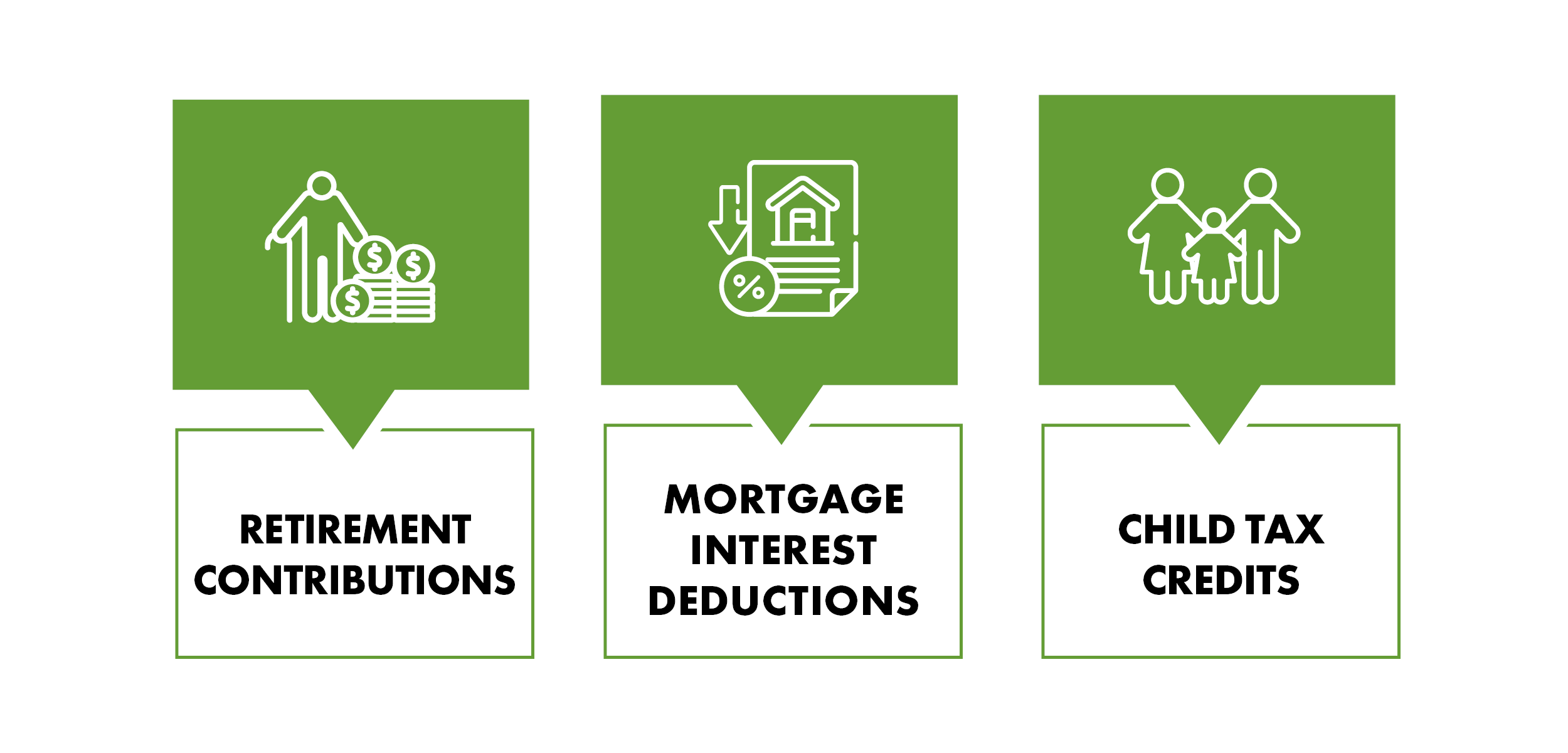
- Retirement contributions to 401(k) and IRA accounts
- Mortgage interest deductions
- Child tax credits and education-related credits
These provisions are designed to support economic stability and social goals. Unlike many IRS tax loopholes, common tax breaks are clear, broadly available, and unlikely to be cut in 2026.
A helpful distinction between common tax breaks and IRS tax loopholes is that common tax breaks support broad participation, while IRS tax loopholes usually rely on complexity, timing, and/or structural advantages. Knowing this difference can help taxpayers evaluate risks and reinforce stability in their tax planning.
Conclusion: Preparing for a Changing Tax Landscape
IRS tax loopholes have played a significant role in how individuals and businesses manage their taxes. However, increased scrutiny, legal enforcement, and possible changes in 2026 signal a move towards tighter oversight and less tolerance for aggressive strategies, especially by wealthy taxpayers. As the IRS looks to close tax loopholes for the wealthy, understanding and flexibility become key. Taxpayers who understand current options and potential future challenges will be better positioned to make informed decisions. In a landscape where rules are shifting and enforcement is rising, smart planning, based on compliance and clarity, remains the best way forward.