
In real estate finance, knowing the roles in trust deed investments is important in decision-making. When reviewing the roles of the Trustor and Trustee, they may, at first, sound alike, but in reality, have very different purposes. Whether you’re looking into private lending, reviewing investment options, or learning about real estate-backed loans, understanding these roles can help you evaluate risk, processes, and the responsibilities of parties involved more effectively.
A deed of trust can be used in many states as an alternative to traditional mortgages. It provides a legal framework that involves multiple parties, each with defined responsibilities outlined in the trust documents. Within this blog, we’ll explain these roles and show how they function from a deed of trust context.

Who Is the Trustor in a Deed of Trust?
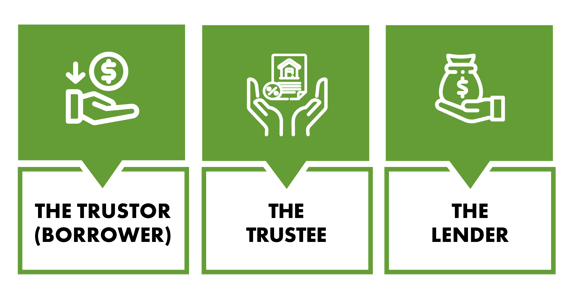
The trustor is the borrower. This is the person or entity that owns the property and is seeking financing. Basically, the trustor pledges the real estate as collateral for the loan.
The trustor enters into the trust relationship by signing the deed of trust and transferring legal title to a neutral third party for the loan's duration. While the legal title is transferred, the trustor keeps the equitable title and can continue using the property, as long as they meet loan obligations. In many real estate transactions, the trustor can be a single individual, business entity, or partnership, depending on the ownership of the property.
The trustor’s responsibilities include making timely loan payments, maintaining the property, and following the terms defined in the loan and trust documents. This role is central to the functioning of the deed of trust.
Who Is the Trustee?
The trustee is a neutral third party appointed to hold the legal title to the property on behalf of the lender for the loan’s duration. The trustee’s main job is administrative. They manage the trust's terms as outlined in the deed of trust. This involves returning the title to the trustor once the loan is fully paid, or starting the foreclosure process if the trustor defaults, based on the trust's terms.
Trustees are often title companies, escrow companies, or other qualified professionals. Their role is to act fairly and follow the trust documents. This neutral position helps to explain why deeds of trust are sometimes used in real estate lending.
Who Is the Beneficiary in a Deed of Trust?
The beneficiary is the lender, the party that provides the loan capital. In private lending and trust deed investments, the beneficiary could be an individual investor, a group of investors, or an investment entity.
The beneficiary holds an interest in the deed of trust, meaning they are entitled to receive loan payments and can instruct the trustee to take action if the trustor does not meet the loan obligations. While the beneficiary doesn’t hold legal title to the property, their interest is backed by the real estate asset put into the trust.
From an investment perspective, the beneficiary’s position is determined by the loan terms, property value, and priority of the deed of trust. These factors are usually reviewed during the due diligence phase when assessing trust deed opportunities.
Conclusion
Whether you’re researching real estate-backed investments or exploring private lending as part of a broader strategy, knowing how deeds of trust function is important. Understanding the differences between the trustor, trustee, and beneficiary in a deed of trust can bring valuable insight to real estate financing or trust deed investments. The relationship between the Trustor and Trustee involves clearly defined roles that work together to support this structured lending process.
Each representative has specific responsibilities in the trust documents, which help to ensure that the transaction proceeds as defined by the framework from start to finish. For borrowers, lenders, and investors, this understanding leads to more informed decision-making and realistic expectations about risk, rights, and procedures. By knowing who holds the title, who manages the trust, and who benefits from the loan, individuals can better evaluate real estate-backed opportunities from the wider lending landscape.